 How Fundrise Opened Crowdfunding to the Masses
✉️ Want to forward this article? Click here.

906 H Street NE, one of Fundrise’s recent offerings.
With all the buzz surrounding Fundrise, this writer decided to jump into the crowd-funded investing game and experiment with a (little) bit of money.
When I signed up, I was surprised to be asked a series of questions to determine if I could be considered an “accredited investor.” The term comes from a 1930s law that specifies that those who want to invest in higher risk investments must have a certain net worth and annual income. In the U.S., that means having a net worth exceeding $1 million, a single income exceeding $200,000 for each of the past two years, or a joint income exceeding $300,000.
The idea of an “accredited investor” ran counter to the whole premise of Fundrise. If investing in commercial real estate around the city was limited to only the wealthy, the concept of “crowdfunding” seems much less democratic.
However, Ben Miller of Fundrise told UrbanTurf that the company filed a series of regulatory documents with the S.E.C. in order to open up the platform to everyone. As a result, Fundrise has no income or wealth restrictions. They ask the questions alluded to above, Miller said, because it is still a regulatory requirement to know about their investors.
A recent New York Times article mentions that a new law may make it easier to facilitate crowdfunded real estate for the masses.
From the Times:
…recent changes to securities law ushered in by the Jumpstart Our Business Startups Act, signed into law in April 2012, will soon make it much easier for the Millers and other new-breed developers to “crowdfund” real estate.
Under that law, unaccredited investors may invest up to $2,000 a year, or 5 percent of their income or net worth (whichever is greater), in private firms, like a real estate limited liability company, as long as the investment takes place on a site or broker-dealer registered with the Securities and Exchange Commission. The law, however, has been bogged down at the S.E.C., which missed an end-of-year deadline to complete rules.
With an investment now placed, I will update you upon the returns (however meager) that come my way as a result.
See other articles related to: fundrise
This article originally published at http://dc.urbanturf.production.logicbrush.com/articles/blog/how_fundrise_was_able_to_open_crowdfunding_to_the_masses/7087.





UrbanTurf Listings showcases the DC metro area's best properties available for sale.

Most Popular... This Week • Last 30 Days • Ever

Today, we take a closer look at home insurance.... read »
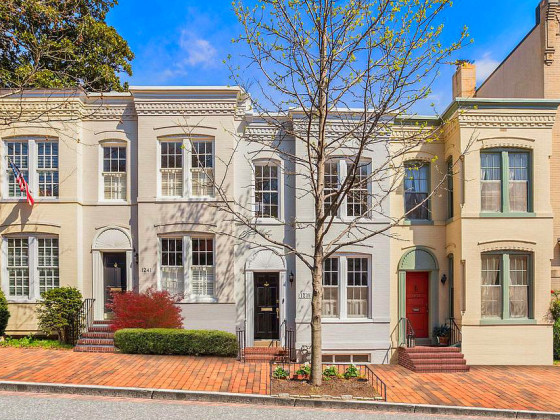
A new bill would give builders a shelf of ready-made housing plans that the city has ... read »

The past year has been one of progress for the residential pipeline in Adams Morgan a... read »

A paperwork snag is holding up one of the larger for-sale housing projects in the wor... read »

The Kennedy Center's shifting fortunes, new home sales hit an eight-month high, and h... read »







- A Look at What is Covered By Home Insurance
- A Proposed DC Bill Would Offer Library of Pre-Approved Housing Plans
- From Mansion Conversion To SunTrust Plaza: The 280 Units Coming To Adams Morgan And Mount Pleasant
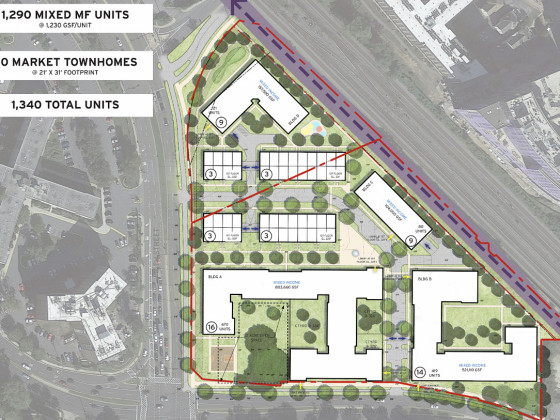
- A Zoning Fix Could Clear the Way For One Of DC’s Biggest Residential Projects
- Monday's Must Reads
DC Real Estate Guides
Short guides to navigating the DC-area real estate market
We've collected all our helpful guides for buying, selling and renting in and around Washington, DC in one place. Start browsing below!
First-Timer Primers
Intro guides for first-time home buyers
Unique Spaces
Awesome and unusual real estate from across the DC Metro
