 What is a HELOC and How Does it Work?
✉️ Want to forward this article? Click here.
Beyond being a shelter, homes can also serve as valuable financial assets. One way to leverage this asset is through a Home Equity Line of Credit (HELOC). This financial tool allows homeowners to tap into the equity they have built in their property to access funds for various purposes. In this article, we will delve into what a HELOC is, how it works, and the benefits it offers.
A Home Equity Line of Credit, commonly referred to as HELOC, is a borrowing product that allows homeowners to borrow against the equity they have built up in their property. Equity represents the difference between the appraised value of the home and the outstanding mortgage balance. Unlike a traditional loan, a HELOC is a revolving line of credit, similar to a credit card, where borrowers can draw funds as needed, up to a predetermined credit limit, during the draw period.
story continues below
loading...story continues above
Homeowners apply for a HELOC with a lender such as a bank or credit union. Lenders consider factors such as the homeowner's credit, income, and the appraised value of the home when determining the credit limit. The homeowner's existing mortgage balance is also taken into account. The credit limit for a HELOC is typically a percentage of the home's appraised value, minus the outstanding mortgage balance. Lenders generally offer credit limits ranging from 75-85% of the home's appraised value.
Once the HELOC is approved, borrowers can access the funds during a draw period, usually lasting 5-10 years. During this period, homeowners can withdraw money using checks, a credit card, or online transfers, up to the approved credit limit.
Repayment of a HELOC occurs in two stages: the draw period and the repayment period. During the draw period, borrowers typically make interest-only payments on the amount withdrawn. These payments vary based on the outstanding balance and the current interest rate. However, some lenders may require minimum payments that include both principal and interest.
After the draw period ends, the repayment period begins. This phase can last around 10-20 years, depending on the terms of the loan. During the repayment period, borrowers can no longer withdraw funds and are required to repay both the principal and interest. The amount owed is calculated based on the outstanding balance at the end of the draw period.
By tapping into the equity they have built, homeowners gain access to a flexible line of credit that can be used for various purposes. With its lower interest rates, potential tax benefits, and ability to adapt to changing financial needs, a HELOC offers an appealing borrowing option for those seeking to leverage the value of their homes. However, it is important to carefully consider the terms, repayment obligations, and individual financial circumstances before moving forward with a HELOC.
See other articles related to: heloc, home equity line of credit
This article originally published at http://dc.urbanturf.production.logicbrush.com/articles/blog/what_is_a_heloc_and_how_does_it_work/21058.




UrbanTurf Listings showcases the DC metro area's best properties available for sale.

Most Popular... This Week • Last 30 Days • Ever

Plans for a new apartment building a quarter mile from the Courthouse Metro have gott... read »

This article discusses the variety of rental restrictions that may exist in condomini... read »

The District's blueprint for the redevelopment surrounding the future Washington Comm... read »

DC's Historic Preservation Office is recommending that the city's Historic Preservati... read »

The number of neighborhoods in DC where the median home price hits or exceeds $1 mill... read »



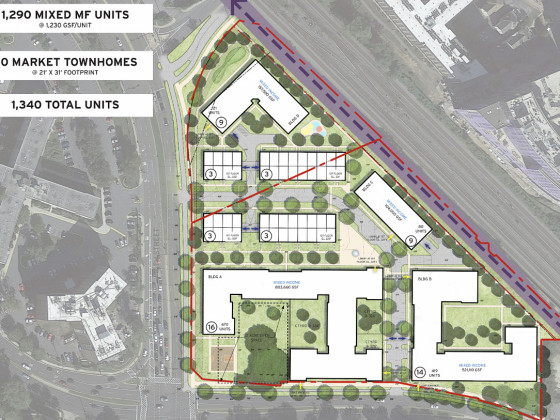





- 218 Units, 10 Stories: Trammell Crow Files Revised Plans Off Fairfax Drive
- Understanding Rental Restrictions in Condominiums
- 6,500 Homes, a Gold Line and a Sportsplex: RFK Master Plan Heads to DC Council
- Hotel Harrington's Comeback Wins Preservation Staff's Support
- DC Has Its Highest Number Of Million-Dollar Neighborhoods On Record
DC Real Estate Guides
Short guides to navigating the DC-area real estate market
We've collected all our helpful guides for buying, selling and renting in and around Washington, DC in one place. Start browsing below!
First-Timer Primers
Intro guides for first-time home buyers
Unique Spaces
Awesome and unusual real estate from across the DC Metro
