 The Pros And Cons Of A 50-Year Mortgage
✉️ Want to forward this article? Click here.
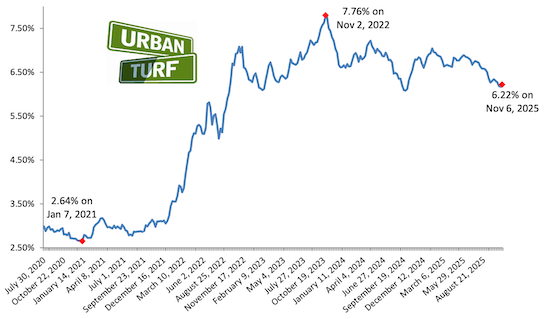
The idea of a 50-year mortgage is generating plenty of buzz — and debate — in housing and policy circles.
Floated recently by Donald Trump as a way to make homeownership more attainable, the proposal would stretch the standard 30-year mortgage out by two decades. The logic is that the longer loan terms would mean lower monthly payments, allowing more buyers to qualify for homes in a market where affordability has been crushed by high interest rates and record prices.
On paper, the numbers do offer some relief. Extending a loan to 50 years could shave hundreds of dollars off a monthly payment compared to a traditional 30-year term, depending on the home price and interest rate. That lower monthly cost could make a major difference for households in high-cost regions like the DC area, where the median home price now tops $600,000. For some buyers, particularly those with steady income but little savings, the 50-year option could mean the difference between renting indefinitely and owning a home.
But critics say the plan comes with major long-term tradeoffs. Stretching a mortgage to 50 years dramatically increases the total interest paid over the life of the loan — in some cases, nearly doubling it. It also slows down the rate at which homeowners build equity, meaning owners could spend decades with little ownership stake in their property. Housing economists warn that the proposal does little to address the underlying causes of affordability — namely, a shortage of homes for sale and rising construction costs. By making it easier for buyers to qualify, they argue, the program could actually fuel further price increases unless paired with aggressive efforts to expand housing supply.
In short, the 50-year mortgage may offer short-term relief for affordability but long-term challenges for financial stability and wealth building. For markets like DC, where first-time buyers are getting older and prices continue to outpace incomes, the appeal is understandable. Still, experts caution that without broader housing reforms — including zoning changes, faster permitting, and more investment in new construction — extending the mortgage clock another 20 years may only delay, rather than solve, the affordability crisis.
See other articles related to: mortgage rate, mortgage rates
This article originally published at http://dc.urbanturf.production.logicbrush.com/articles/blog/the_pros_and_cons_of_a_50-year_mortgage/24059.




UrbanTurf Listings showcases the DC metro area's best properties available for sale.

Most Popular... This Week • Last 30 Days • Ever

Estate taxes, also known as inheritance taxes or death duties, are taxes imposed on t... read »

Trammell Crow is looking to modify options for two parcels at the former McMillan San... read »
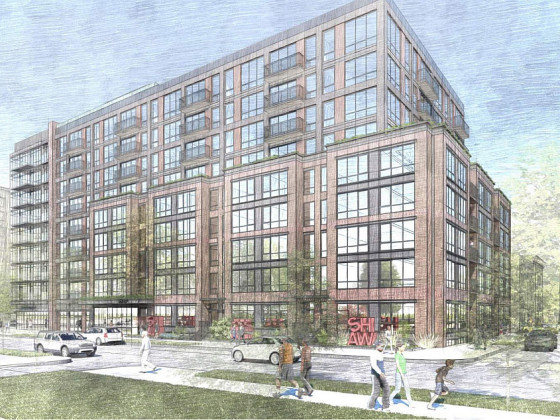
High Street Residential’s plans for a prominent corner in Shaw will have to wait a ... read »

The list price for a 24,000 square-foot McLean home that is still under construction ... read »
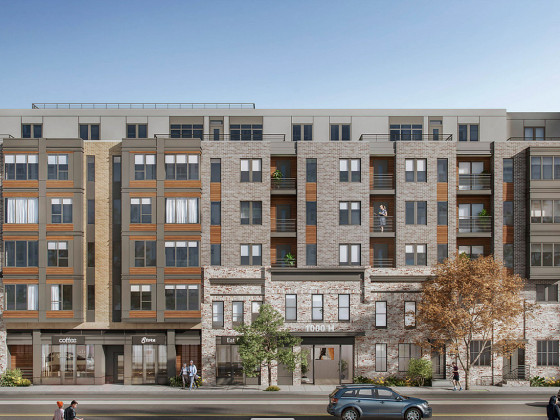
Today, we take an updated look at the pipeline of larger residential development on t... read »





- What Are Estate Taxes and How Do They Work?
- Offices, Housing, Hotels? Plan B Floated For Remaining Parcels At DC's Reservoir District
- 230-Unit Shaw Project Needs More Time to Get Off the Ground
- McLean Mansion Asking Price Doubles to $35 Million, But It Hasn't Been Built Yet
- The Various Stages Of 4 Developments Along The H Street Corridor
DC Real Estate Guides
Short guides to navigating the DC-area real estate market
We've collected all our helpful guides for buying, selling and renting in and around Washington, DC in one place. Start browsing below!
First-Timer Primers
Intro guides for first-time home buyers
Unique Spaces
Awesome and unusual real estate from across the DC Metro
