 A Co-op Building That Pays Its Owners
✉️ Want to forward this article? Click here.
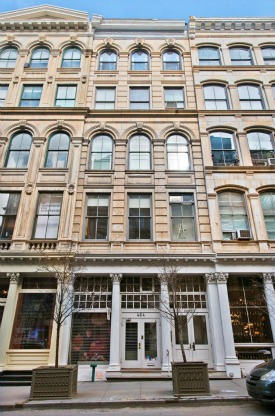
At 464 Broome Street, tenants get $20,000/year.
An article in The New York Times over the weekend introduced us to a concept that seems almost too good to believe: the Big Apple has co-op buildings where residents pay no maintenance fees and also make money off the property’s commercial tenants.
If you have walked around New York, you are no doubt aware that many residential buildings in the city have ground-floor retail tenants. As it turns out, a luxury shop in a high-end district could potential pay enough in rent every month to completely offset maintenance fees for homeowners in the building, and in some cases, provide the owners with a sizable yearly dividend.
Until 2007, however, this wasn’t all too common as a federal tax law capped the amount of income that co-op buildings could generate from their retail tenants; according to the law, in order to qualify as a housing cooperative, 80 percent of the income of a co-op had to come from the owners themselves (and no more than 20 percent needed to come from the retailer). The 80/20 rule was the only way for co-ops to maintain their tax status as a housing cooperative. So, in order to maintain the 80/20 ratio, many co-ops rented their retail spaces for below market rate.
After 2007, the law was loosened. The Mortgage Forgiveness Debt Relief Act of 2007 gave co-ops a couple other ways to maintain their tax status, like proving that 80 percent of the square footage in the building was used by tenant shareholders or that 90 percent of the expenses were spent in the benefit of tenant shareholders.
As a result, many co-op buildings started increasing the rent on their retail tenants. Some buildings renovated their retail spaces in order to attract higher-end stores, and tenants have been able to really cash in. According to the Times, a building at 464 Broome Street in SoHo, earns so much retail rental income that owners receive a $20,000 annual payment.
From the Times:
“The building has just eight apartments,” said Henry Hershkowitz, a broker at Douglas Elliman who represented a seller [of one unit], “so the revenues from the two stores on the ground floor cover the real estate taxes, the building’s upkeep, even a full-time super, and then there is money left over for an annual dividend.”
The federal tax law adjustments apply across the country, so presumably DC buildings are taking that under consideration.
See other articles related to: co-ops, maintenance fees
This article originally published at http://dc.urbanturf.production.logicbrush.com/articles/blog/is_it_possible_to_live_in_a_maintenance-free_coop/6932.




UrbanTurf Listings showcases the DC metro area's best properties available for sale.

Most Popular... This Week • Last 30 Days • Ever
In this edition of First-Timer Primer, we review five potential red flags you may enc... read »
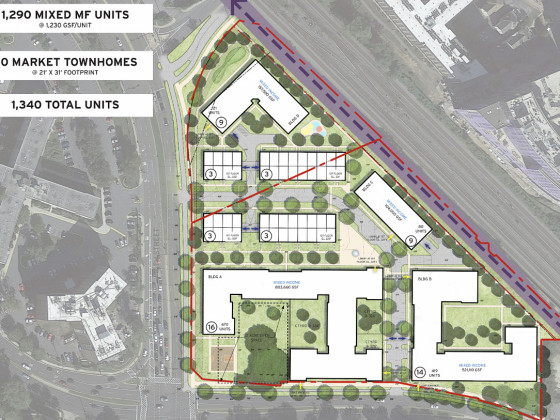
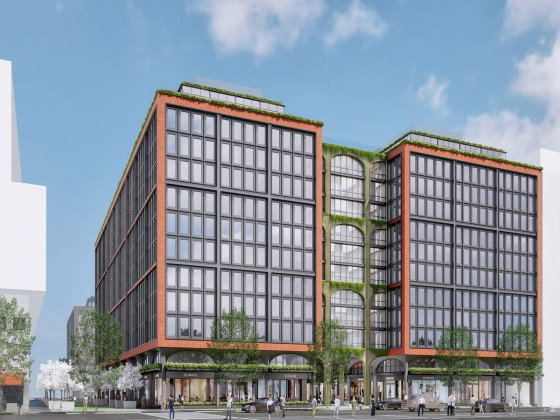
Plans are in the works for the largest mixed-use development in downtown Silver Sprin... read »
Artena Bethesda, a residential project planned for 8000 Wisconsin Avenue, appears to ... read »
Asking $18,750,000, the home sits on just over an acre and spans more than 15,000 squ... read »
The DC area housing market lost steam in August, with buyers retreating on multiple f... read »
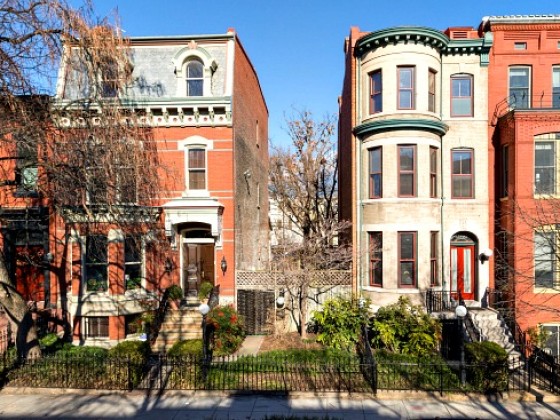




- Five Red Flags to Look For During Condo Document Review
- Four Buildings, 1,340 Units: An Enormous Redevelopment Planned For Downtown Silver Spring
- Eight Years Later, 440-Unit Downtown Bethesda Development Back On The Boards
- Wesley Heights Estate To Hit Market For Just South Of $19 Million
- Home Sales Slide, Inventory Surges: DC Area Market Shifts in Buyers' Favor
DC Real Estate Guides
Short guides to navigating the DC-area real estate market
We've collected all our helpful guides for buying, selling and renting in and around Washington, DC in one place. Start browsing below!
First-Timer Primers
Intro guides for first-time home buyers
Unique Spaces
Awesome and unusual real estate from across the DC Metro
